Thursday, June 29, 2023

CUPPING


Cupping

People have used cupping for thousands of years to ease back pain, neck pain, headaches and other problems. Cupping therapy involves creating a suction force to pull blood into the skin. Cupping causes bruising and can lead to skin infection. While research on the benefits of cupping is scarce, the treatment risks are low

What is cupping?

Cupping is an ancient healing therapy that some people use to ease pain. A provider places cups on your back, stomach, arms, legs or other parts of your body. Inside the cup, a vacuum or suction force pul skin upward.

Cupping is a form of traditional Chinese and Middle Eastern medicine. People have practiced cupping therapy for thousands of y

How does cupping work?

Experts are still exploring how cupping eases pain and disease symptoms. There isn’t a lot of research on the therapy.

Suction from cupping draws fluid into the treated area. This suction force expands and breaks open tiny blood vessels (capillaries) under the skin. Your body treats the cupping area like an injury. It sends more blood to the area to stimulate the natural healing process. Some people theorize that cupping clears the pores and releases toxins.

Who performs cupping?

A variety of professionals can receive training to perform cupping, including:

  • Acupuncturists.
  • Chiropractors.
  • Massage therapists.
  • Medical doctors.
  • Physical therapists.

  • What does cupping treat? 

People mostly use cupping to relieve conditions that cause pain. Some people say it also helps with chronic (ongoing) health issues. Cupping may ease symptoms of:

  • Arthritis, including rheumatoid arthritis.
  • Back pain, neck pain, knee pain and shoulder pain.
  • Breathing problems, such as asthma.
  • Carpal tunnel syndrome.
  • Gastrointestinal disorders, such as irritable bowel disease (IBD).
  • Headaches and migraines.
  • High blood pressure (hypertension).

What are the types of cups?

Most providers use glass or plastic cups, but cups may be:

  • Bamboo.
  • Ceramic.
  • Metal.
  • Silicone.

How is cupping performed?

There are different ways to perform cupping. The steps vary slightly depending on the chosen method. Your provider will leave the cups in place for several minutes. Some treatments involve briefly moving the cups to stretch and massage the area.

Depending on the treatment, your provider may place multiple cups on your skin. Cupping methods include:

  • Dry: Your provider heats the inside of each cup — typically with an alcohol-soaked cotton ball that is set aflame. The heat sends oxygen out of the cup, creating a vacuum. Some providers use a suction device to remove air from cups. Once placed on your skin, the vacuum force pulls skin up into the cup.
  • Wet: Your provider uses a needle to lightly puncture your skin before, and sometimes after, cupping. Toxins leave the body through the puncture wounds during the cupping procedure.

What should I expect after cupping?

The suction force from cupping breaks open tiny blood vessels under the skin. You will have round bruise-like marks that fade in a week or two.

###

RISKS / BENEFITS

What are potential risks or complications of cupping?

Cupping is a relatively low-risk therapy. Still, you may experience:

  • Burns from heated cups.
  • Fatigue.
  • Headaches.
  • Muscle tension or soreness.
  • Nausea.
  • Skin infections, itching or scarring.

Who shouldn’t get cupping?

Because researchers know little about cupping’s effects on pregnancy, moms-to-be shouldn’t get the therapy. You should also forego cupping if you have:

  • Bleeding disorders like hemophilia.
  • Blood clotting problems, such as deep vein thrombosis or history of strokes.
  • Skin conditions, including eczema and psoriasis.
  • Seizures (epilepsy).

RECOVERY AND OUTLOOK

How effective is cupping?

There aren’t many high-quality studies about the effectiveness of cupping. And researchers don’t know a lot about why or how cupping might help people. Cupping may provide a placebo effect, meaning it helps because people believe it does.


Back to Top

Thursday, June 8, 2023

TAPING

                      TAPING.


Introduction

Taping is commonly used as an adjunct or temporary technique.Athletes often make use of taping as a protective mechanism in the presence of an existing injury. Some of the goals with taping are to restrict the movement of injured joints, soft tissue compression to reduce swelling. support anatomical structures, and as protection from re-injury. Taping is used as one of the means of rehabilitation or prophylaxis in instances where support and stability are needed, as a first-aid tool, for the prevention of injury and protection of an injured anatomical structure while healing is taking place.


Intended Purpose and Effect of Taping Techniques

The tape is commonly used by physiotherapists to:

  • relieve your pain
  • improve joint stability
  • enhance athlete confidence
  • reduce injury recurrence
  • prevent injury
  • reduce strain on injured or vulnerable tissues
  • correct faulty biomechanics
  • inhibit muscle action
  • facilitate muscle action
  • enhance proprioception
  • compress in the presence of edema or lymphatic drainage[2]

Some of these purposes may be achieved through a combination of these possible effects of taping:

  • mechanical effects
  • neuromuscular effects
  • psychological effects

There are different kinds of tape that can be employed:

  • Rigid strapping tape commonly used in taping or strapping is often referred to as "sports tape" or "athletic tape" and is most often a rigid style of strapping tape.
  • Elastic strapping tape can also be used when less rigidity or support is required.
  • Kinesiology tape is an improved version of elastic sports tape that acts to dynamically assist your muscle function. 

Aims of Taping

Tape may be used to:

  1. Stabilize or support an injury
  2. Relieve pain by de-loading vulnerable or painful structures
  3. Facilitate normal movement, muscle action, or postural patterns.

Principles of taping

  • Protection of the skin-Check the skin sensitivity of the person to be taped that he is not allergic to the adhesive tape. Make sure there are no existing rash or broken skin in the area to b taped.
  • Hair removal in the area to be taped-It is better if the hair is removed 12 hours prior to the tape application to reduce skin irritation.
  • Clean and prepare the skin
  • The padding of the sensitive areas with adhesive tape.
Types of Taping

Kinesiology taping (KT) is a therapeutic tool and has become increasingly popular within the sporting arena. Taping has been used for a long time for the prevention and treatment of sporting injuries. KT is not only used for sporting injuries but for a variety of other conditions. It was developed by Japanese Chiropractor Dr. Kenzo Kase in the 1970s with the intention to alleviate pain  and improve the healing in soft tissues.There are many proposed benefits to KT, including proprioceptive facilitation; reduced muscle fatigue; muscle facilitation; reduced delayed-onset muscle soreness; pain inhibition; enhanced healing, such as reducing edema, and improvement of lymphatic drainage and blood flow.


MULLIGAN TAPING

Mobilization with Movement (MWM) developed by Brian Mulligan  (Hon) of New Zealand is recognized worldwide in manual therapy approaches. His concept is the application of manually applied accessory joint glide with concomitant pain-free active movement. During the development of MWM, Brian Mulligan discovered that treatment in some patients was enhanced when he utilized taping to compliment the directional forces provided after the MWM treatment bout. Taping is applied in directions that complement the applied MWM passive force to joint or soft tissue.


McConnell taping (also known as Patellar Taping) is often used to treat patients with anterior knee pain, more specifically with patients with Chondromalacia Patellae and Patellofemoral Pain Syndrome). The tape corrects the tracking of the patella within the patellar groove by medial line the patella. The technique also stretches lateral soft tissues and strengthens the vastus medialis obliques.

    For your doorstep\online consult
               Dial /WhatsApp 9733070839

               Mail njayanta.pt@gmail.com 

                                                   Thank you 

                                🙏RegAine team thank you🙏


Monday, June 5, 2023

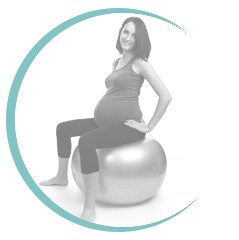
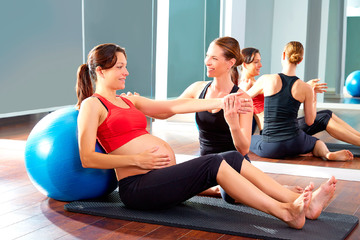
Pre & post natal PHYSIOTHRRSPYIO


PRE AND POSTNATAL PHYSIOTHERAPY

Pregnancy is an amazing and life changing experience, however it can take a toll on your body as it transforms to accommodate your growing baby. During pregnancy, your body undergoes dramatic change in a fairly short period of time. As the baby grows inside you, your hormones, posture and balance change. With time, as the baby gets heavier, the pressure inside your abdomen and down onto your pelvic floor muscles increases. This pressure means your pelvic floor muscles need to stay strong to support the weight of the baby from above and to prevent leakage of urine. The muscles, joints and ligaments undergo many changes which affect the whole body, and it is common to experience a variety of musculoskeletal symptoms.

Prenatal Physiotherapy

Some common conditions you may experience during pregnancy include:

  • Pelvic girdle/ Hip/ Groin/ Pubic pain
  • Lower back/ Sacroiliac joint (SIJ) pain/ Sciatica
  • Thoracic/ Rib pain
  • Pelvic floor weakness and Urinary incontinence
  • Carpal tunnel syndrome

As every pregnancy is different, our experienced physiotherapists will design a specific program to suit your needs. Based on your assessment, your treatment may include assessment and strengthening of the pelvic floor and core muscles, joint mobilisations, massage, an exercise program to maintain flexibility and strength, education and advice.

Postnatal Physiotherapy

Post pregnancy (vaginal or caesarean), there will be a degree of weakening of your pelvic floor muscles. The pelvic floor muscles are vital for continence, pelvic stability and sexual function and they are adversely affected through pregnancy and delivery. To prevent long term problems, it is essential to start pelvic floor exercises as soon as possible. Postnatally you will find yourself holding your baby in sustained positions and doing lots of lifting, which can lead to many aches and pains. Common problems experienced postnatally include:

  • Stress and urge incontinence
  • Pelvic and Lower back pain
  • Upper back and Neck pain
  • Diastasis Recti (Abdominal separation)

Your Postnatal MOT will include:

  • Internal pelvic floor assessment
  • Pelvis, SIJ and Lumbar spine assessment
  • Diastasis recti (abdominal separation) assessment
  • Return to sport assessment
  • Scar assessment

Treatment may include an individualised pelvic floor program, abdominal and core strengthening, treatment of any musculoskeletal issues found, scar tissue management and advice on return to sport, nutrition, sleep, posture and ergonomics.

Ideally a Postnatal MOT should be performed from 6 weeks postnatally (after you have had your GP check-up), but even if your pregnancy was years ago, it’s never too late!


        Contact us& RegAine team ready 

             on your door step service.

               njayanta.pt@gmail.com

             What's apps 9733070839

                                                          Thank you.

Saturday, June 3, 2023

SPORTS PHYSIOTHERAPU


Sports Physiotherapy

Questions

WHAT IS SPORTS PHYSIOTHERAPY?

Sports physiotherapy: is a branch of physical therapy that is geared towards both athletes and casual players who have suffered an injury or ongoing problem. Sports physiotherapy is a specialized form of physiotherapy that is designed to help with injuries or conditions occurred during sports activities. The modalities include hands-on treatment and rehabilitation. Whether you’re a professional athlete or at the beginning of your athletic journey, sports physiotherapy can be a suitable form of treatment for you.

Sports activities, whether professional or otherwise, can cause muscle strain or even serious injuries. If these problems are not given proper medical attention and treatment, they can worsen. However, these unwanted injuries can now be alleviated and prevented from happening again through the application of sports physiotherapy. You can maximize your performance and prevent future injuries through various techniques and exercises. Sports physiotherapy is meant to help you get back on track as soon as possible in a safe, secure, and effective way. The treated conditions through sports physiotherapy differ from the nerve, ligament, or muscle injuries to other musculoskeletal disorders.

The Key Areas of Sports Physiotherapy Include:

  • Examining and diagnosing injuries
  • Identifying the cause of an injury
  • Designing an individual treatment plan
  • Rehabilitation 
  • Performance enhancement

HOW DOES IT WORK?

Sports injuries are high-performance injuries that require utmost care. A Sports physiotherapist works closely with the athlete/ team to identify the requirements of a particular sport and bring out the best result post-injury in performance. For instance, if a midfield footballer injures his ankle while playing football and goes through rehab. He is given specialized rehab exercises to be able to run, cut directions and manipulate the ball like before the injury as per his sport. Depending on the sport a customized rehab program is designed to assist the athlete back to the sport. If it’s a cricket injury like hypertension in a fast bowler, then the bowler is guided to exercises that prevent hyperextension or stabilize the spine and assist in his return to cricket.

Sports physiotherapy can in fact provide various treatment modalities. The treatment approaches towards back pain and neck pain in regular patients will be dealt with various treatment techniques used in sports therapy and mainly on movement rehabilitation. For instance, Running has been taken up by many regular individuals for fitness, but they struggle with injuries due to a lack of guidance/knowledge.

WHAT ARE THE VARIOUS TYPES OF SPORTS WHICH REQUIRE PHYSIOTHERAPY?

Players are at risk of injury at any moment, they can sustain injuries to the head, face, shoulder, arm, thigh, and knee There are various measures to prevent the injuries by making sure that the muscles and joints are properly warmed up, protective gears are used, using safety equipment, and doing proper cool-down exercises. The exercises should be done under the guidance of a trained and experienced physiotherapist.

Sports in which injuries occur most commonly are: 

  • Soccer/football
  • Tennis
  • Cricket
  • Hockey
  • Athletic  
  • Though there are various other sports that also require physiotherapy treatment like Basketball, Volleyball, Rugby, Badminton, Cycling etc.

WHAT ARE THE CONDITIONS/SPORTS INJURIES THAT CAN BE TREATED USING SPORTS THERAPY?

Muscle Strain: Muscle strain or pulled muscle is one of the most common sports injuries that often take place when a muscle is overstretched and gets torn. Muscle strains mainly affect the quadriceps, calves, quadriceps, groin, lower back, and shoulder.

Tendonitis:
 Inflammation of the tendon is referred to as tendonitis, associated with overuse, but can also be developed when a traumatic injury creates micro-tears in the muscle fibers.


Stress Fracture:
 Stress fractures are also a form of overuse injury. It takes place when the muscles are no longer able to absorb the pressure, thus resulting in a fracture. Stress fractures usually affect the lower legs and feet and women athletes are more prone to such injuries than men.


Contusions: Direct impact on the muscle causing injury is known as contusions. The faster the speed of the equipment that hits the player more severe the injury is resulting in swelling and bruising of the area. RICE is recommended for treatment, and medical assistance may be required for more severe contusions.

Whiplash injury: Whiplash injury can happen by an abrupt or unexpected backward or forward motion of the neck. Falling suddenly or getting hit causes the head to jerk and the neck gets strained. It occurs commonly in contact sports, causing pain, and numbness in the arms due to minor or major soft tissue damage to muscles and ligaments in the neck and vertebrae. The recovery of the player depends upon the severity of the injury.

Shoulder Impingement: Shoulder impingement occurs due to repetitive overhead movement during playing. These repetitive concentric and eccentric movements place demands to maintain high levels of muscular control, required to maintain the stability of the shoulder joint. Initial physiotherapy treatment for these conditions is rest, ice, and Kinesio-tapping. To increase the flexibility of the muscles, ligaments, and tendons, range of motion and strengthening exercises are designed by the physiotherapist.

Acromioclavicular joint injury:
 The prevalence of shoulder injuries is high in hockey. The most commonly seen shoulder injury is Acromioclavicular (AC) joint injury, also known as a shoulder separation. This injury occurs due to direct contact hit into the shoulder. The severity can vary from a sprain to a complete tear of the involved ligaments. The physiotherapy treatment includes immobilization by rest in a sling followed by isometrics and gentle ROM exercises.


Rotator cuff injury:
 The most common cause of a rotator cuff tear is repetitive microtrauma, which can occur over some time. Bruising or swelling occurs due to repeated rotator cuff injury by pinching or straining, catching, or squeezing the rotator cuff tendons. Physiotherapist focuses on reducing inflammation and pain. The therapist recommends ROM exercises, isometric exercises, and capsular stretching, followed by isotonic exercises and aggressive pain-free strengthening.


Tennis elbow: Tennis elbow injury occurs to the tendons located on the outer side of the elbow, this overuse and overload occur from the serve and forehand stroke. Physiotherapy treatment for tennis elbow involves rest, ice and Kinesio- taping. A wrist brace or tennis elbow band can be used and special physiotherapy exercises for stretching and strengthening the muscles are beneficial.

Golfer’s elbow: Golfer’s elbow Or medial epicondylitis is caused due to excessive use of topspin and due to overload on the backhand stroke-causing pain and inflammation. Physiotherapy treatment involves rest, ice, and Kinesio- taping. A wrist brace can be used, followed by stretching and strengthening exercises.

Wrist strain: Falling on an outstretched arm includes wrist sprains, wrist fractures, and shoulder dislocations. It can occur when the wrist moves in an abnormal position, suddenly twist, bends backward, or sustains heavy impact. The player feels tenderness, warmth, popping or tearing sounds, and difficulty in moving the wrist.

Carpal tunnel syndrome: These injuries occur due to the laid-back grip, rotation of the palm upward, and quickly turning the wrist to perform the topspin. Treatment for these conditions involves rest, ice, Kinesio- taping and range of motion, and strengthening exercises.

Lower Back pain:
Players suffer from low back pain due to the fast weight transfers, jumping, and twisting, resulting in repeated flexion, extension, rotation, and lateral flexion of the spine commonly required during cocking or loading phase of the tennis serve. The physiotherapist designs strengthening exercises for back and abdominal muscles to increase strength

Abdominal side strain: Side strain occurs in the side of the body involving the Oblique muscle. Due to the forcible contraction of the muscle, the injury occurs on the opposite side of the bowling arm. Side strains also occur because of repetitive arm action. The player feels pain and tenderness associated with internal swelling. Treatment requires adequate rest. After examination of the injured part, for appropriate strength and conditioning, the player can gradually return to activity,

Femoroacetabular impingement: Femoroacetabular impingement can occur due to the multidirectional movement pattern, loading and abruptly starting, cutting, twisting, and stopping. This form of hip injury can be treated with the help of RICE and physiotherapy sessions under the guidance of a physiotherapist.

Groin pull: Groin pull occurs as a result of a pull or stretch of the muscles of the inner thigh. The player feels pain and tenderness in the groin and the inside of the thigh while raising the knee or while bringing the legs together. The player feels severe pain with a popping or snapping sound during the injury.

Iliotibial Band Syndrome: Iliotibial band syndrome occurs due to an overuse injury along the outer thigh. Due to continuous friction created by the IT band along the outer side of the thigh, during running. The player feels pain and tenderness on the lateral or outer part of the thigh and knee just above the knee joint.

Hamstring strains: A hamstring strain is usually caused when the muscles become overloaded, leading to a strain, or a complete tear. Hamstrings are usually injured during sprinting i.e during fast bowling while fielding or running between wickets as a batsman. The player feels sudden or severe pain during exercise, pain or tightness while straightening or bending the leg, and weight-bearing. Physiotherapy treatment starts with RICE followed by progressive strengthening through exercise, soft tissue massage, scar tissue mobilization, dry needling, and taping.

Torn ACL: ACL or anterior cruciate ligament helps in keeping the knee joints together and brings stability. A Torn ACL is extremely painful and restricts the ability to walk. The injury takes place from a direct shot to the knees, or from incorrect landing and or stopping and changing direction quickly.

Torn MCL: It is another form of a knee injury, which takes place when the medial collateral ligament that connects the femur to the tibia is injured. It is caused when the knees are pushed sideways. This form of knee injury can be treated with help of ice compression, braces, and sports physical therapy sessions under the watchful eyes of a sports physiotherapist.

Patellofemoral pain syndrome: Patellofemoral pain syndrome or runner's knee is a condition in which the cartilage under the kneecap is damaged due to injury. It can occur due to strained tendons or misalignment in the knee. The player feels pain while exercising, bending the knee, climbing the stairs, squatting, and jumping. The player feels cracking or popping sounds in the knee while climbing stairs or after sitting for a longer duration with the knee bent.

Shin Splits: These affect the insides of the lower leg or shin area and is an overuse injury and also a common injury found among runners. Athletes having flat feet are more susceptible to this form of injury.

Pulled Calf Muscle: Pulled calf muscle injury occurs when any one of the muscles i.e gastrocnemius or soleus is pulled from the Achilles tendon. This occurs due to jumping or running. The player feels bruising, redness, and mild swelling, and is unable to stand on the ball of the foot.

Plantar Fasciitis: Plantar Fasciitis is the inflammation of the plantar fascia ligament that connects the heel to the front of the foot. Putting too much strain and stress are the major reason behind this form of injury and is usually treated with rest, ice, and stretching exercises.

Ankle Sprains: Medial ankle sprain can occur when the toes are turned out while the foot is flexed upward. Lateral ankle sprains can occur in soccer when a player kicks the ball with the top of their foot. Ankle sprains take place when the ligament that supports the joint gets overstretched due to incorrect stepping or stepping on an uneven surface or twists and rolls. Usually, ankle strains heal with RICE – rest, ice, compression, and elevation.

Achilles tendon Rupture: Achilles tendon rupture occurs due to the partial or complete tear of the Achilles tendon. This can occur when a player performs a fast or jerky movement. Ankle sprains occur when the ligaments (surrounding the ankle joint) are stretched or torn.

Achilles tendonitis: Achilles tendonitis is the inflammation of the lower back of the leg just above the heel. Achilles tendonitis injury occurs as a result of overuse. Players perform sudden and repetitive movements that may eventually cause this injury over time. Physical activity worsens the pain and is usually treated with some rest, ice, stretching, and strengthening exercises.

More or less sports injuries treatment involves sports physical therapy along with proper medication to bring relief to the athletes. In fact, physiotherapy in sports injury has proven to be quite useful in the rapid recovery of athletes and is one of the most trusted forms of treatment

WHO CAN BENEFIT FROM SPORTS PHYSIOTHERAPY?

Most of the physiotherapy centers do offer help in tackling different cardiopulmonary issues.  They do work on ways to improve the breathing and endurance levels of athletes that enable them to perform their day-to-day activities in a better way. Most sports therapists do offer benefits when it comes to spinal cord injury treatment, several sclerosis, neurological disorders, etc. Sports physiotherapists do have the right equipment and knowledge to help in addressing persistent, severe, and overuse injuries. They do play an important role in any sportsperson's performance and health.

Depending on the kind of injury, it takes a number of weeks or months for one to recover completely. A physiotherapist helps one with gentle exercises that stimulates the tissues and muscles of the injury for the restoration of complete physical movement prior to the injury level. The physiotherapists gradually introduce various stretching and strengthening exercises with the reduction of pain. Sports physiotherapists offer customized recovery programs as per the type of injury, so as to better facilitate the entire recovery process.


        More details.

                    Dr JAYANTA NATH.( PT)

                     njayanta.pt@gmail.com

                         9733070839